
Whitney Houston died as a direct result of prescription drug abuse. Michael Jackson died as a direct result of prescription drug abuse. Heath Ledger died as a direct result of prescription drug abuse.
We could go on, but you get the point.
Whitney, Michael, and Heath’s deaths were tragic, but they highlight an incredibly important fact. Prescription drug abuse in America is out of control.
Rather than leaning on generalities, let’s get specific. What are we talking about when we say prescription drug abuse in America’s out of control?
- We’re talking about the prescription painkiller epidemic, which a) led to our current heroin epidemic and b) is still going on
- We’re talking about C-suite executives abusing stimulants
- We’re talking about 44 people dying each and every day as a result of prescription drug overdoses
- We’re talking about America consuming 99% of the world’s hydrocodone supply
While it’s tragic that three beloved celebrities passed away from this type of drug abuse…it’s not surprising. More importantly, their deaths can benefit the rest of us normal, working class Americans by helping us understand just how bad things have become and offering motivation to work towards a solution.
Everyone Knows America Has a Prescription Drug Problem
Right? Do we even need to talk about how bad things have become?
Yes and no.
Yes – pretty much everyone’s aware of how dire the situation around opioids, benzos, and stimulants in America has become. No – people continue to abuse, become addicted to, and die from these drugs everyday.
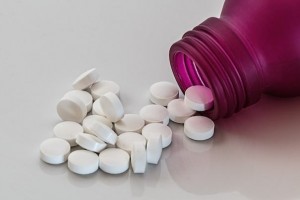
We can collectively agree prescription drug abuse is serious. We can collectively agree innocent people are suffering serious quality of life losses as a result of pills. We can collectively agree opioid painkillers like Vicodin, Percocet, and OxyContin have led to a boom in heroin use (which is its own can of worms).
What we can’t agree on is a solution.
One group’s calling for increasing drug courts. Another group’s calling for more medication-assisted therapy. Another is calling for abstinence-based recovery. Another’s calling for increased education and outreach. Another’s calling for harm reduction.
And on, and on, and on (and on and on).
What side should we pick? What steps can we take to ensure the most people get help? In short – who’s right?
Whitney Houston’s Tragic Example

Before exploring possible solutions, let’s take a look at Whitney Houston’s death. After all, that’s what promoted us to write this article in the first place.
While it’s tempting to give in to sensualist reports and get carried away by attention grabbing headlines, Whitney’s death is a lot more complicated than a simple overdose. She was a multifaceted human being with a number of serious issues.
She was in the public eye since the late ’70s. She struggled with both the successes and challenges fame brings. She struggled with substance abuse since the late ’90s. She was involved in an abusive relationship.
In short – she was a human being and, like many people facing overwhelming stress, she turned to chemicals to self-medicate.
On February 11th, 2012, after a long and successful career, Whitney was found unconscious in a hotel bathtub. We’re not going to go into the details here. Everyone’s heard the story anyway.
A postmortem drug screen found marijuana, Xanax, and other prescription drugs in her system. She also tested positive for recent cocaine use. Her death was ruled an accidental drowning and attributed in part to heart disease and cocaine abuse.
While the lion’s share of the blame for Whitney’s tragic death seems to fall on cocaine and other street drugs, make no mistake – prescription drugs contributed directly to her addiction.
Is There a Solution?
Here’s where things become complicated. Well, to be fair, things have been complicated for a long time…but when looking for a solution, things get ever more complicated.
There is a solution. It isn’t cut and dry though.
If we want to make any substantial improvement on our collective prescription drug problems, we need to take a little bit from all competing camps. In other words –
- We need to increase access to long-term substance abuse treatment
- We need to use evidence-based treatment practices (some of which are medication-assisted therapies)
- We need to focus on drug abuse, prescription or otherwise, in the specific communities it occurs in (using the same tactic in Kentucky and New York City isn’t going to work)
- We need to increase education about the dangers of prescription drug abuse to both the general public and the medical community
- We need to continue to implement and improve prescription monitoring programs
- We need to adopt harm reduction strategies (like improving first responder access to the anti-overdose drug Narcan) to fit our current landscape
- We need to find alternatives to treating chronic pain (things like acupuncture or occupational therapy as opposed to Vicodin prescriptions)
There’s probably a lot we’re leaving out. What do you think? What thoughts and ideas do you have about how to help fight prescription drug abuse in America?
Let us know on social media.
Through this collaborative sharing of ideas – this joint approach to fighting drug abuse in all its shapes and sizes – we can effect real change. More importantly, we can honor those we’ve lost, like Whitney Houston, and work towards a better tomorrow.