
In today’s landscape of painkiller and heroin abuse (many call it America’s opioid epidemic) one thing’s for certain – abuse-proof pills are a good thing.
Except…it’s not for certain.
In fact, abuse-deterrent versions of popular painkillers like OxyContin and hydrocodone led directly to a surge in heroin abuse. Sounds counterintuitive, right? How can cutting down on the abuse potential of a dangerous family of drugs lead to an increase in the use of one of those very same drugs?
Read on to find out.
Abuse-Deterrent Measures
Before we talk about heroin and illicit opioids, we need to travel back to the mid-2000s. It was a simpler time then. A time when abuse-proof painkillers weren’t even a thought in most minds.
Except the opioid epidemic was already in full swing and those who’d fallen down the rabbit hole were well aware of the dangers OxyContin, Vicodin, Percocet, Roxicodone and the like presented. They were a small but vocal minority and they began to make a lot of noise.
Then, in 2010, the push for tighter regulation and abuse-proof measures went mainstream. This was the year when abuse-deterrent OxyContin came to market. It was now harder to crush and virtually impossible to sniff, inject, or take any way besides orally.

A host of other legislation, at both state and federal levels, was enacted between 2010 and today. It’s too much to go into now without writing a term paper on the subject, but you can find a detailed breakdown of opioid prescribing information here.
Which brings us to today. Despite abuse-proof oxy and other painkillers being the new norm, some are still abusing them. The rest? Did they get sober?
No – they just moved onto heroin.
The Unexpected Path to Heroin
That’s according to a study from The New England Journal of Medicine. The study reported, among other things, the following:
- The number of people abusing OxyContin as their primary drug of choice dropped from 36% to 12.8% after the abuse-deterrent formula hit pharmacies
- Abuse of hydrocodone and other forms of oxycodone increased a bit during the same time
- Abuse of stronger opioids, specifically hydromorphone and fentanyl, increased from just over 20% to just over 32%
- 66% of people interviewed said they switched from OxyContin to another opioid, with heroin being the most popular response and nearly doubling in use
- 24% of people were able to find ways to abuse the now supposedly “abuse-proof” formula of oxy
All figures taken from the N.E.J.M. study
What the Hell Happened?
Well, it looks like that while lawmakers’ hearts were in the right place, the reality of stopping drug use isn’t as simple as making drugs harder to abuse. This gets rid of one part of the equation – supply – and probably helps reduce the number of future addicts. It does nothing, however, to address the demand of those already addicted.
They simply swapped their drug of choice to something easier to abuse. This idea was echoed in the response of one N.E.J.M. study participant. When asked what was behind the upswing in heroin abuse, they responded, “Most people that I know don’t use OxyContin to get high anymore. They have moved on to heroin [because] it is easier to use, much cheaper, and easily available.”
Now that we’ve diagnosed the problem, what’s the solution? What can be done to address both the supply and demand side of the equation? What can we do to help those struggling with opioid abuse and addiction in America?
What’s the Solution?
Wouldn’t it be great if there was a simple solution to a complicated problem for confused people? We can wish! Until that day comes, the solution to increased heroin use isn’t so much a single idea as a combination of many different strategies.
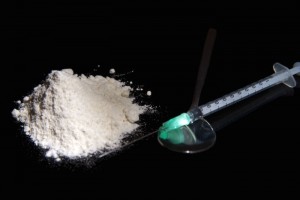
First, we need increased drug education for both adolescents and doctors. Adolescents because they’re likely to start their opioid abuse with painkillers before moving onto heroin. Doctors because they’re the ones prescribing the drugs that precipitate heroin abuse.
It’s important that this education for teenagers be realistic. Rather than telling them “drugs are bad” and calling it a day, we need to focus on the good and the bad recreational drug use brings with it. We need former users telling the truth, the ugly and confusing truth, to these kids. Only then will they listen.
That’d be a tall enough order on its own, but a nationwide opioid recovery isn’t only about education. We also need increased access to effective treatment. This means that treatment centers of all shapes and sizes need to open their doors to patients without insurance or with state-based Medicaid. It also means that insurance companies need to start paying for higher levels of care from the beginning, rather than waiting to authorize care until someone’s relapsed several times.
It isn’t going to be easy, but this type of comprehensive, wide-reaching solution is the only thing that’s going to work. We say that as experts in the field of addiction. We’ve been fighting chemical dependency here at Malvern since 1948. We know what we’re talking about.
What do you think needs to be done to help end the opioid and heroin epidemic? Let us know on Facebook!