We’re back again with our definition series! Today we’re taking a close look at just what chemical dependency means. Read on for a detailed exploration of its many definitions, examples, and how it’s treated.
Dictionary Definition
According to the wordsmiths at Merriam-Webster, chemical dependence is defined as: addiction to or dependence on drugs.
While that’s absolutely true, it’s sterile and lacks any of the real world examples that humanize chemical dependency. It does nothing to advance the idea that those struggling with addiction are human beings who deserve respect and care.
In other words, the dictionary definition of chemical dependency leads many people – smart, compassionate, educated people who’d never dream of demeaning someone with, say, heart disease – to a mistaken view of addiction.
A Non-User’s Mistaken Definition
If you’ve spent any time in the world of addiction or recovery, either directly or through a loved one’s struggle, this is going to sound familiar. A non-user’s definition goes a little something like:
Someone who claims to be “addicted” to drugs or alcohol just lacks willpower. They probably lack morals too after the bad things they did to get drugs or while high. They can stop using and drinking any time they want, they just don’t want to yet.
Sounds pretty grim, right? It is, but many of us started out thinking something similar. The road to understanding chemical dependency is fraught with false starts and backtracks. In fact, it’s pretty similar to the road people take to recovery.
Medical Definition
The medical view and definition of chemical dependency is, well, it’s complicated.

The first tangle that arises is the idea that addiction can be, and in fact should be, viewed differently in the body and the mind. There are about 1,000 other competing ideas that pop up after this first one.
Johns Hopkins has probably the best definition of chemical dependency from a medical standpoint. It’s a bit long, but well worth the read. It goes:
Substance dependence is the medical term used to describe abuse of drugs or alcohol that continues, even when significant problems related to their use have developed. Signs of dependence include:
- Tolerance to or need for increased amounts of the drug to get an effect
- Withdrawal symptoms that happen if you decrease or stop using the drug that you find difficult to cut down or quit
- Spending a lot of time to obtain, use, and recover from the effects of using drugs
- Withdrawal from social and recreational activities
Continued use of the drug even though you are aware of the physical, psychological, and family or social problems that are caused by your ongoing drug abuse.
There’s a lot going on here, including tolerance and withdrawal (physical components of addiction), compulsion and isolation (psychological components), and social problems (a mix of the two). To even begin to unpack these ideas would take more time than we have!
A simple explanation of the medical view of chemical dependency is that it’s a state of – very literally – altered consciousness that occurs through repeated use of a drug. This repeated, compulsive use brings with it physical, psychological, and social problems. These problems then cause the user to return to drugs to seek relief. The cycle repeats itself over and over.
How It Happens
The truly scary thing about chemical dependency is that it tends to sneak up on the user. This can be seen in both legal drugs (alcohol, nicotine, etc.) and illegal ones (heroin, pot, etc.). Let’s look at some fictional but common examples using a couple of the above drugs.
Nicotine
Maybe you start with a cigarette or two in high school thanks to peer pressure. Maybe you take up smoking when you’re out with friends, having a good time. Whatever the case, you start out slowly.
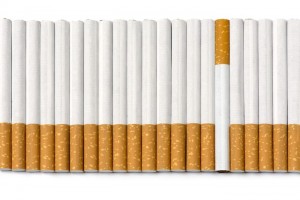
Then, one morning, you wake up and have a cigarette. You do this a few mornings in a row. You end up smoking during your lunch break. You smoke before bed too. Before you know it, you’re buying a pack every couple of days.
At this point, it’s clear you’re abusing nicotine…but are you chemically dependent in either the dictionary or medical sense? It’s hard to give a one-size-fits-all answer, but probably.
You try to quit, but relapse again (and again). You’re strung out on cigarettes.
Heroin
The path to heroin addiction is remarkably similar to the path to nicotine addiction. The only thing that’s different are the substances themselves and the way our society perceives them.
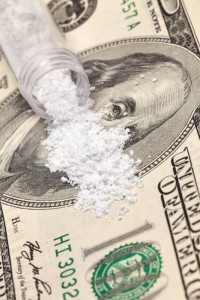
You may first try heroin with friends. Or it may be by yourself. You like the way it makes you feel. You’re warm and relaxed. You’re not worrying about your boss, your significant other, anything. It isn’t too intense. In fact…the high from heroin is just right.
You make sure to never use too many days in a row. That’s how people get addicted. You use on Friday and Saturday, taking Sunday and the rest of the week off. Then you decide to use Sunday too. The next week, you decide to use Monday too. The next week, Tuesday.
One day you can’t get any heroin and you go into withdrawal. It’s horrible. You’re physically hooked now and to even get to this point, you realize, you’ve been psychologically hooked for quite some time.
How to Treat It
In order to properly treat chemical dependency, you need to attack both the physical and psychological aspects. The emphasis here’s on properly. There are a million and one ways to treat addiction, but not all are created equal.
The first step, cliche as it may be, is for the individual struggling to accept they have a problem and need help. They might not need any pushing to seek help, though this isn’t always the case. They’re probably going to need an intervention.
Following this, detox becomes incredibly important. This is true whether the person struggling is abusing a physically addicting substance (alcohol, benzo’s, opioids, etc.) or a psychologically addicting substance (cocaine, meth, marijuana, etc.).
The next step is primary treatment. This can be inpatient, PHP, or IOP. While more structured levels of care generally offer better outcomes, that isn’t always the case. The most important part of primary treatment is an individualized and unique treatment plan developed to meet the person struggling’s specific challenges.
Then there’s step down care. This can be PHP, IOP, or GOP. Again, the level of care isn’t as important as the services offered and the clinicians involved. Following step down care, it’s vital and necessary to stay involved with 12-step fellowships and alumni support.
That’s chemical dependency in all its messy forms. We’ve tackled the dictionary definition, the medical definition, a non-user’s view, how it happens, and how it’s treated. It isn’t easy to wrap your head around intellectually and it certainly isn’t easy to live through.
If you have any questions – don’t worry, most people do – give us a call today at (610) 647-0330